Composting vs Recycling: Understanding Their Differences
Composting is becoming ingrained in the habits of a growing number of people, reminiscent of recycling's gradual adoption some thirty years ago. While composting and recovery have the common advantage of diverting materials from landfills, their processes are quite different.
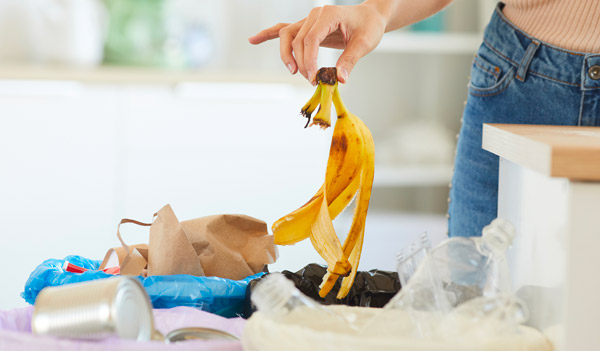
A product's end of life is considered in the early stages of an eco-design process. Composting is a way to recycle tissue hygiene products and food packaging after they are used.
Naturally compostable
While recycling is the result of human intervention, the great masters of composting are microorganisms, such as bacteria and mould. They are naturally activated in the presence of organic waste to ensure it degrades and is transformed into compost.
Compost is the end product of composting. It is rich in humus, a stabilized organic matter beneficial to the soil. For example, it improves its physical-chemical properties and biological activities. Compost also contains essential organic nutrients, such as nitrogen and phosphorus. It also serves as an organic fertilizer which, through the slow release of these nutrients, promotes plant growth.
As a general rule, organic products are the most easily composted: fruits, vegetables, bread, leaves, branches, green waste such as grass, etc.
So, the choice of raw materials is crucial in designing a product we want to be compostable. Some materials fulfill this role naturally, such as cellulose (from wood), natural starch and chitin (from lobster and shrimp shells).
Biodegradable or compostable, a matter of time and environmental safety
Coffee cups, plastic straws, polystyrene coolers—in a way, everything on our planet is biodegradable, but how long does it take? That is the question! Some materials take several hundred years to be broken down by microorganisms.
From the point of view of biodegradability, a proven "compostable" product can be broken down by microorganisms in three to six months at the most. In the presence of oxygen, microorganisms must be able to multiply by using the materials as a source of carbon and energy for their metabolic activities. They must be able to attack them with their enzymes, which are like “little knives” that break the material down into fine pieces that can then be ingested in their cells.
This decomposition activity by the microorganisms releases carbon dioxide (CO2), water, new bacteria and heat. This heat is in fact what causes the rise in temperature during industrial or municipal composting processes.
In summary, 90% of the material to be composted must be transformed into CO2 by bacteria in six months at the most to qualify as compostable according to standard industrial composting standards. So time is a determining factor. A certified compostable product is always biodegradable in a specific time, whereas a biodegradable product is not necessarily compostable since it could take longer than six months for microorganisms to degrade it. What’s more, certified compostable products are safe for plants and soil (guaranteed non-toxic), unlike biodegradable products, some of which may release non-biodegradable toxic substances (e.g., fossil-based microplastics).
Cellulose, a material for composting
Tissue hygiene products are made primarily of cellulose, an organic material that is easily biodegradable by the microorganisms present in a composting process. By making sure that these products meet the North American compostability standard (ASTM D6868) and are free or below the limits of fluorine-based contaminants, we can ensure that hand towels, facial tissues and napkins can be successfully composted.
Compostable or Biodegradable? Q&A with Marie-Hélène

Marie-Hélène Charest
Microbiologist
Cascades R&D Center
Layering two sheets of paper to make a paper towel may require glue to be added, unlike with other tissue papers. This chemical additive is used in small amounts, in compliance with the allowable limits of the North American compostability standard (ASTM D6868), so as not to prevent the product from composting.
The moulded pulp and boxboard used for food packaging is also composed of cellulose and can be composted as well, as it is often food-soiled after use. Such packaging contains only tiny amounts of additives within the allowable limits, or is compostable itself. The fact that the cardboard used for food packaging is thin is another factor in its favour.
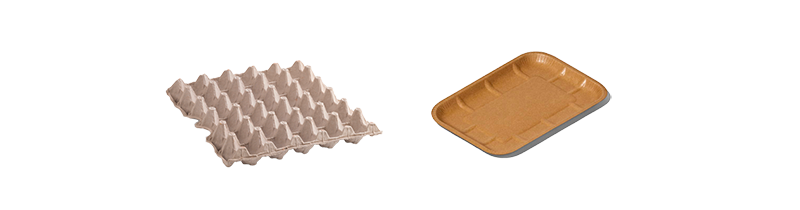
For example, egg trays made of molded pulp are generally compostable within the requirements of the compostability standard. The same applies to our cardboard food trays covered with a certified compostable coating solution.
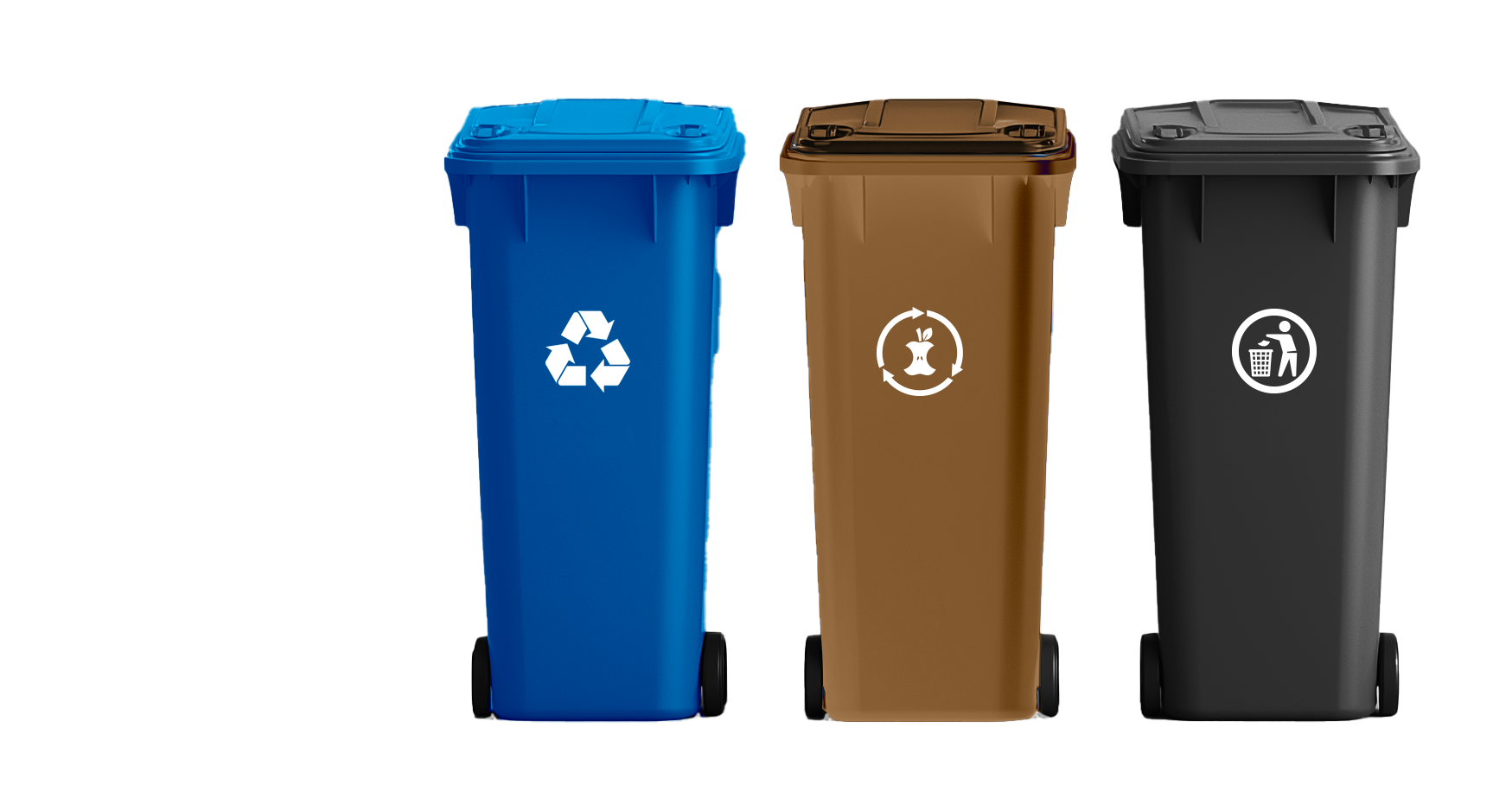
Blue bin, brown bin or garbage bin?
Sometimes both recycling and composting are acceptable options. But which is the most environmentally friendly? If you’re wondering blue bin or brown bin for the paper product your food came wrapped in, ask yourself how food-soiled the paper is. If there’s not much trace of food on the wrapping, it’s best to recycle it. Otherwise, put it in the brown bin.
Where the composting is being done is another factor to consider—as with recycling, composting facilities and technologies vary from one municipality to another. Domestic, municipal and industrial composting are done at different heat levels, changing which materials are acceptable. For example, meat is only composted industrially due to the very high temperatures (50oC for at least 3 days) essential for eliminating insect larvae and pathogenic microorganisms. The low temperatures (below 40oC) attained in home composting do not allow for this “hygienization phase.”
Some products are less easy to recycle. This is the case with food packaging made from bioplastic, e.g., polylactic acid (PLA). PLA cannot be composted at home. However, it can be composted in certain industrial facilities that attain very high temperatures. What’s more, PLA is transparent and looks like plastic, so people often put it in the recycling bin. This can contaminate the other materials in the bin unless it is removed and treated as waste.
A certified commitment


Laboratory tests must be conducted out in accredited laboratories approved by certification bodies before a product can be confirmed to be compostable. The main ones are for biodegradation, disintegration, heavy metals and phytotoxicity. Each of these tests includes a series of criteria that must be met within a certain time limit to meet them.
Composting certifications serve to distinguish certified products from the rest. Only certified products are allowed to display the official logo of the certifying body. In North America, certified products meet rigorous standards, such as those of the American Society for Testing and Materials (ASTM). They often require significant investments by the manufacturers and companies that obtain them.
The Biodegradable Products Institute (BPI) is one of the most widely recognized American certification bodies in Canada and the United States. The Compost Manufacturing Alliance (CMA) is another American organization that is gaining recognition in the United States. In Canada and Belgium, the recognized certification bodies for compostability are, respectively, the Bureau de normalisation du Québec (BNQ) and TUV Austria.
Standardized labeling systems, such as How2Compost also help identify BPI-certified compostable products. Consumers can see at first glance whether or not this end-of-life option is possible for their product. The label explains how to dispose of the product, by choosing either the compost bin or the recycling bin.
Subject matter experts

Cascades has a whole host of experts who make sure that its hygiene and packaging solutions end their life in an environmentally friendly way. Whether the Cascades’ products are eco-designed to be compostable or recyclable, they are under the scrutiny of its experts, who are constantly improving recipes and making changes to promote environmental responsibility. Cascades is committed to ensuring that 100% of the packaging it manufactures will be recyclable, compostable or reusable by 2030.
Articles
Articles
Articles

Articles

Articles
Articles